

DID YOU THAT…
The National Institute for Mental Health,
released an article concerning depression and other disorders at their website: www.nimh.nih.gov/health/topics/depression
Major depressive disorder can be described as feeling sad, blue, unhappy, miserable, or down in the dumps. Most of us feel this way at one time or another for short periods. Depression can change or distort the way you see yourself, your life, and those around you. True clinical depression is a mood disorder in which feelings of sadness, loss, anger, or frustration interfere with everyday life for weeks or longer. Depression can change or distort the way you see yourself, your life, and those around you.
 The exact cause of depression is not known. Many researchers believe it is caused by chemical changes in the brain. This may be due to a problem with your genes, or it can be triggered by certain stressful events. More likely, it’s a combination of both. Some types of depression run in families, but depression can also occur if you have no family history of the illness. Anyone can develop depression—even kids—or even alcohol or drug abuse can play a role in depression.
Certain medical conditions that include underactive thyroid, cancer, or long-term pain, or even some medications such as steroids can cause depression.
Sleeping problems or stressful life events such as breaking up with a boyfriend or girlfriend, failing a class, or the death or illness of someone close to you are also strong factors in causing depression. 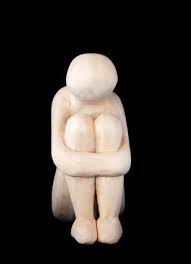 People who have been divorced, have suffered childhood abuse or neglect, have lost their jobs, or face social isolation (common in the elderly) are more at risk for developing depression. People who suffer from depression usually see everything with a more negative attitude. They cannot imagine that any problem or situation can be solved in a positive way.
Symptoms of depression can include agitation, restlessness, and irritability. A person can be withdrawn or isolated and have difficulty concentrating or may notice a dramatic change in appetite, often resulting in weight gain or loss. People can experience fatigue and lack of energy, feelings of hopelessness and helplessness as well as feelings of worthlessness, self-hate, and guilt.
In my own depression journey, I lost interest or pleasure in activities that I once enjoyed. I suffered thoughts of death or suicide, and experienced trouble sleeping or slept too much. Reading and realizing I experienced these symptoms of depression was a wake-up call. It is important for people to understand that depression can also appear as anger and discouragement rather than feelings of sadness that most people associate depression with.
If depression is very severe, there may also be psychotic symptoms, such as hallucinations and delusions. In these cases or if an individual with depression is suicidal or extremely depressed and cannot function, they may need to be treated in a psychiatric hospital. People who are depressed are more likely to use alcohol or illegal substances. Complications of depression also include increased risk of health problems, such as suicide.
A person who has thoughts of hurting themselves or committing suicide should call a doctor right away. Other symptoms including hearing voices that are not there or having frequent crying spells with little or no reason that is disrupting work, school, or family life should warrant an immediate trip to the doctor.
YOU ARE NOT ALONE!
If you — or someone you know — need help, please call 1-800-273-8255 for the National Suicide Prevention Lifeline. If you are outside of the U.S., please visit the International Association for Suicide Prevention for a database of international resources.
Need help with substance abuse or mental health issues? In the U.S., call 800-662-HELP (4357) for the SAMHSA National Helpline.